Duct Cleaning
Duct Cleaning
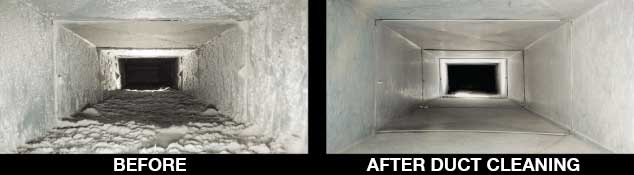
Hvac Duct Cleaning Tips For Easy Diy
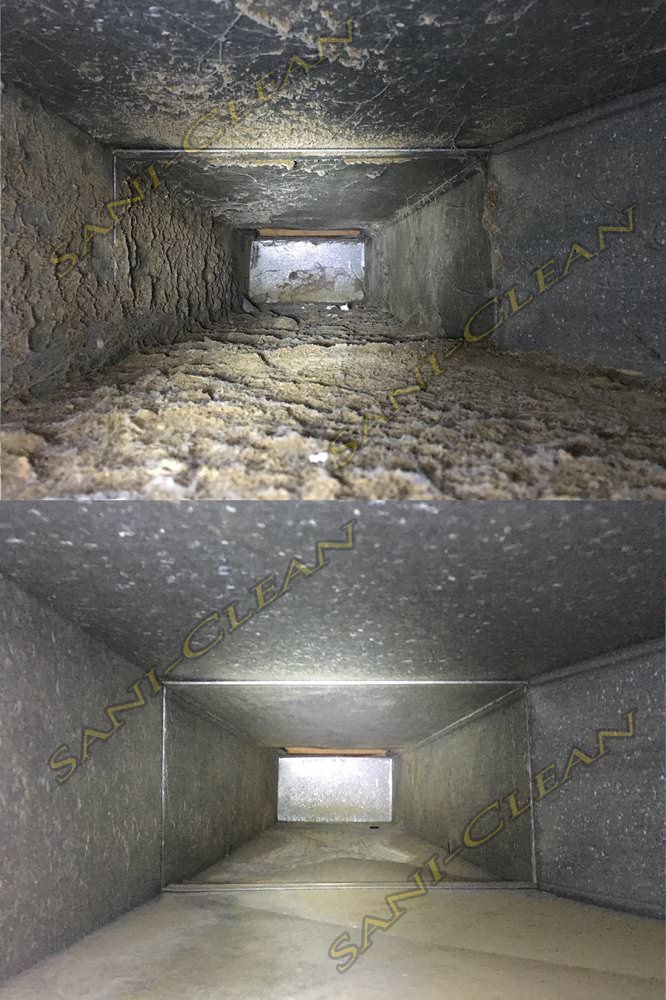
With spring upon us and summer gaining on us, it may be a good idea to clean the air vents and ducts that the household air you breathe is traveling through. There is an army of dust, dander, dirt, hair, and bug fragments that are all too comfortable hanging out in your air vents and ducts which can pollute the air you breathe.
If you start thinking about all that dust and debris that find their way into your air ducts, it only makes sense you should probably clean those vents every now and then. After all, who wants dirty, dusty air circulating in their home?
Truth is, cleaning your air ducts is crucial when it comes to improving your home's air quality. This is especially important if you have allergies or someone else in your family.
The average household produces nearly 40 pounds of dust each year. You don't have to consider the dust, pet hairs, mold and dirt that can blow in through windows. This dirt lingers inside your house and can't be ejected. It is especially harmful to allergy sufferers.
Moreover, dirt and dust spread quicker in a home with dirty ducts. Even if you clean and dust your house regularly, particulate contaminants such as allergens can quickly move from one room to another, covering tables and smartphones and even children's toys.
What's the EPA say? The Environmental Protection Agency (EPA) ranks indoor air pollution ask one of the top five risks to public health and the millions of particles of debris and other allergens living in your air ducts are no help.
Do there exist different duct systems? There are many different designs of duct systems, such as attic systems and underground systems, but the theory of cleaning these systems is the same. You may not be able to access all parts of these systems (for example, underground ducts), but you can make a difference in your air quality by cleaning the parts of the system you can reach.
Deciding Whether Or Not To Have Your Air Ducts Cleaned
Knowledge about the potential benefits and possible problems of air duct cleaning is limited. Because every house is unique, there are no general guidelines that can be used to determine if air duct cleaning would benefit your home.
If no one in your household suffers from allergies or unexplained symptoms or illnesses and if, after a visual inspection of the inside of the ducts, you see no indication that your air ducts are contaminated with large deposits of dust or mold (no musty odor or visible mold growth), having your air ducts cleaned is probably unnecessary. As dust-laden air flows through the grate, it is common for return registers become dusty. This does not indicate that your air ducts are contaminated with heavy deposits of dust or debris; the registers can be easily vacuumed or removed and cleaned.
It may be worth considering having your air-ducts cleaned. This is because air ducts can get dirty and need to be cleaned regularly. Although there is much debate over the benefits of duct cleaning, the evidence does not support the idea that this cleaning should be harmful if it is properly done.
On the other hand, if a service provider fails to follow proper duct cleaning procedures, duct cleaning can cause indoor air problems. For example, an inadequate vacuum collection system can release more dust, dirt and other contaminants than if you had left the ducts alone. Untrained or careless service providers can cause damage to your heating or cooling systems, increasing heating costs and making it more expensive.
If you are unsure whether your air ducts need to be cleaned, it is worth looking into having them professionally cleaned.
- You may not have access to all parts of the cooling and heating system. Ask your service provider for mold samples.
- It is important to remember that even though a substance might look similar, it can only be determined if the material is moldy by an expert. This may mean that laboratory testing may be required. A few microbiology labs can determine if a material sent on clear household tape or a similar substance is mold for about $50.
- Insulated air ducts that become moldy or wet should not be cleaned. They must be replaced.
- Mold growth can recur if the original conditions that caused it do not get corrected.

What to do to determine if the Duct Cleaner did a thorough job
A thorough visual inspection is the best way to verify the cleanliness of your heating and cooling system. Remote photography is sometimes used by some service providers to record conditions within ducts. All portions of the system should be visibly clean; you should not be able to detect any debris with the naked eye. Show the Post-Cleaning Consumer Checklist to the service provider before the work begins. After completing the job, ask the service provider to show you each component of your system to verify that the job was performed satisfactorily.
This could indicate that there is a problem in the job if you respond "No" to one of the following questions: Ask your service provider to correct any deficiencies until you can answer "yes" to all the questions on the checklist.
Install A Reme Halo Device
Air filters are great for removing particles in the air but they don't kill bacteria or viruses.
You can insert the Reme Halo device into existing ductwork. It distributes ionized hydrogen peroxide molecules once it is installed. Hydroperoxide molecules are effective against airborne contaminants like bacteria, mold, and dander. Hydroperoxide also attracts the particles of air it touches and makes them stick together. This allows your filter to easily remove larger particles.
Already, the REME HALO has been used at hospitals, on cruise ships, in restaurants and food processing plants, as well as other industrial uses. It can be easily installed at home, providing cleaner, safer air.
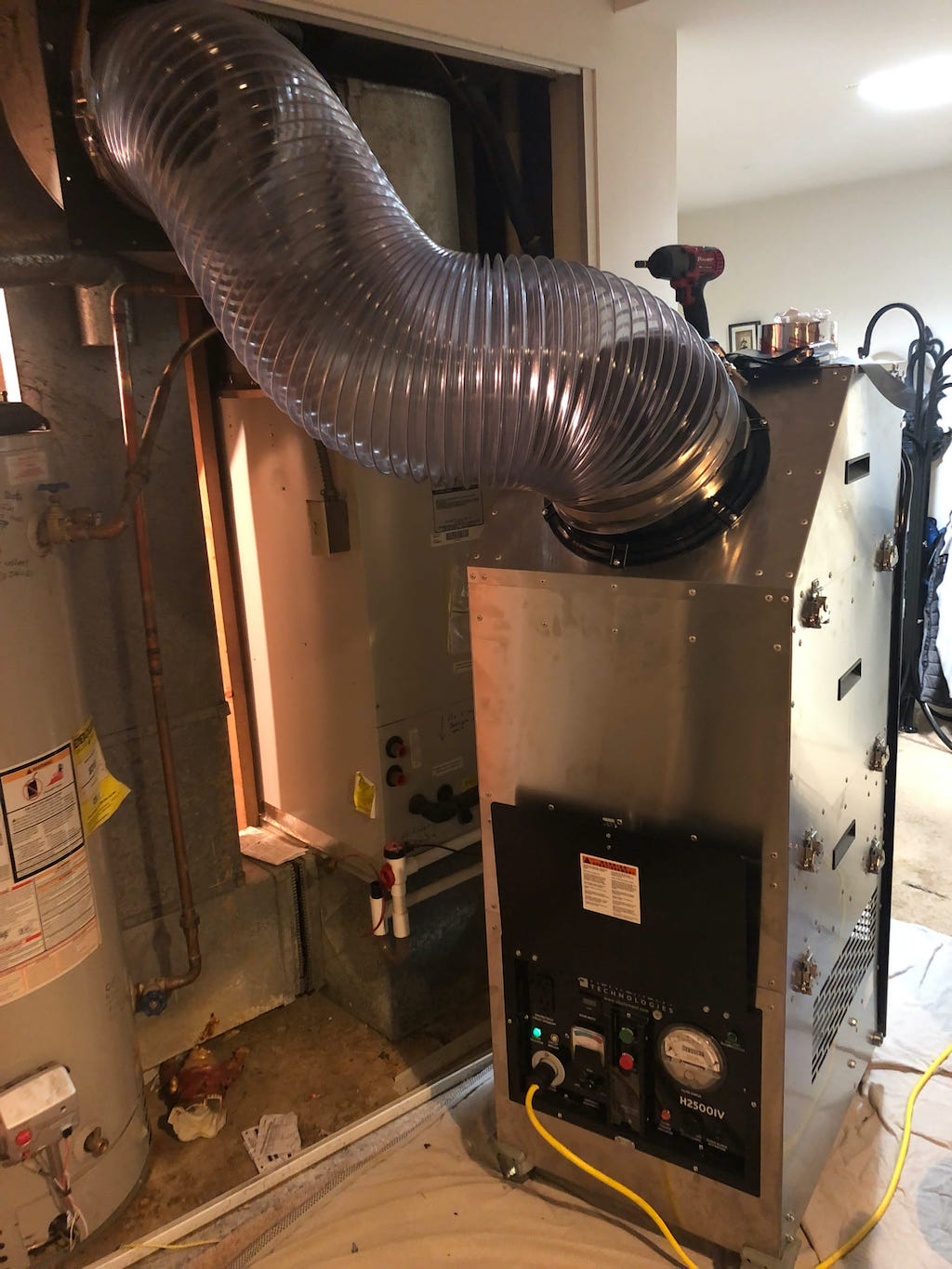
Duct Cleaning Services
To clean your home's supply and return ducts professionally, specialized vacuums and brushes are used. A thorough cleaning of your HVAC system's registers and grilles should be part of duct cleaning.
There's no research at present proving that routine duct cleaning improves the air quality or reduces dust in your home. However, there is evidence to suggest that HVAC units may be less efficient if they have dirty cooling and heating coils and motors.
Although duct cleaning is not necessary in isolation, it can be beneficial for HVAC units and ductwork.
Air Duct Cleaning - What Is It And How To Do It
Air duct cleaning is an important cleaning services for homeowners. Professional air duct cleaning is required to clean all ducts, from the intake, return, and supply vents. Air duct cleaning can also involve cleaning registers, grills and fans as well as cleaning your furnace, if one is available.
Air duct cleaning companies, like Advanced Environmental, have a variety of professional duct cleaning equipment designed to clean your air ducts and make them a healthier living environment in your home. Having your air ducts cleaned is recommended every three to five years, though in some cases two to three years would be the optimal time for best results and maintenance.
Duct Cleaning Doesn'T Always Solve The Real Problem
Consumers are advised to verify whether any biological material found in the duct is mold. Third-party testing can verify this. You should never take a contractors word for it when they claim there is mold in your air ducts.
In addition, cleaning the air ducts may remove the immediate visible areas of mold, however, unless you discover and address the root cause of the mold, you may find yourself fighting the same battle again in the future.
If mold is continuing to develop, then there is a reason. Duct cleaning won't help unless you address the root cause.
Which guidelines should you follow?
The EPA as well as the NADCA both have guidelines and standards for cleaning air ducts. The EPA doesn't certify air duct cleaners, but it does provide a post-cleaning checklist so you know what to expect from an HVAC contractor or other duct cleaning provider. NADCA members are required to meet strict standards.
Your family's health is the main purpose of cleaning your air duct system. You don't want to make the situation worse by adding chemicals. Chemical biocides are sometimes recommended for use inside air ducts to clean and prevent future growth of mold and bacteria. If such measures are recommended, do your research to fully understand the pros and cons before consenting to use. Note that the EPA does not approve any internal insulation chemicals.
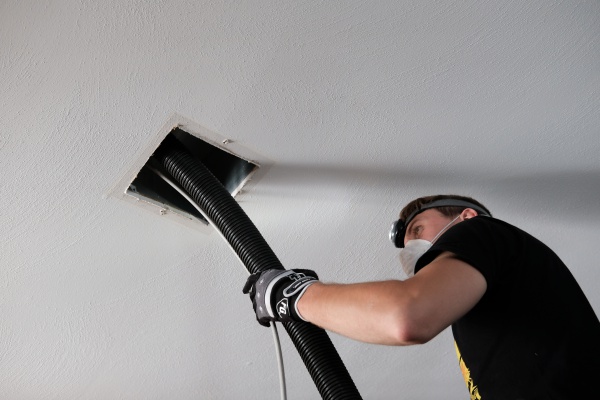
Does Duct Cleaning Prevent Health Problems?
It is not possible to know everything. There are examples of ducts that have become badly contaminated with a variety of materials that may pose risks to your health. These contaminants can spread throughout your home through the duct system. Duct cleaning might be a good idea in these situations. A small amount of household dust can be expected in the air ducts. It isn't necessary to clean your ducts as part of the yearly maintenance of your cooling and heating system. This includes regular drain pan cleaning, heating coil cleaning, filter change and inspections every year of heating equipment. Research continues in an effort to evaluate the potential benefits of air duct cleaning.
What is done during Duct and Vent Cleaning?
What is the procedure for cleaning air ducts? Negative pressure technology is required to clean air ducts properly. The proper method uses negative pressure technology to clean air ducts. This is an easy and straightforward process that produces consistent results. However, the industry has suffered from a poor reputation over recent years.
If you've ever had your ducts checked by a contractor that was in and out in an hour and managed to leave more dust and debris than they took, you've likely been left wondering what, if anything, was done.
Reputable duct cleaning businesses are happy to provide information about standard cleaning techniques and the National Air Duct Cleaning Association (NADCA). This will help homeowners avoid these unpleasant experiences.
These procedures outline how to clean ducts, registers, filters, plenums, evaporator coils, and air handlers--almost any part of a forced-air HVAC system--and the results will be noticeable.
NADCA is a term that refers to procedures employed by licensed contractors for source-removal. These include vacuuming the ducts with a vacuum collector system and sweeping them by hand.
Continue reading to learn more about the best practices in the duct cleaning industry.
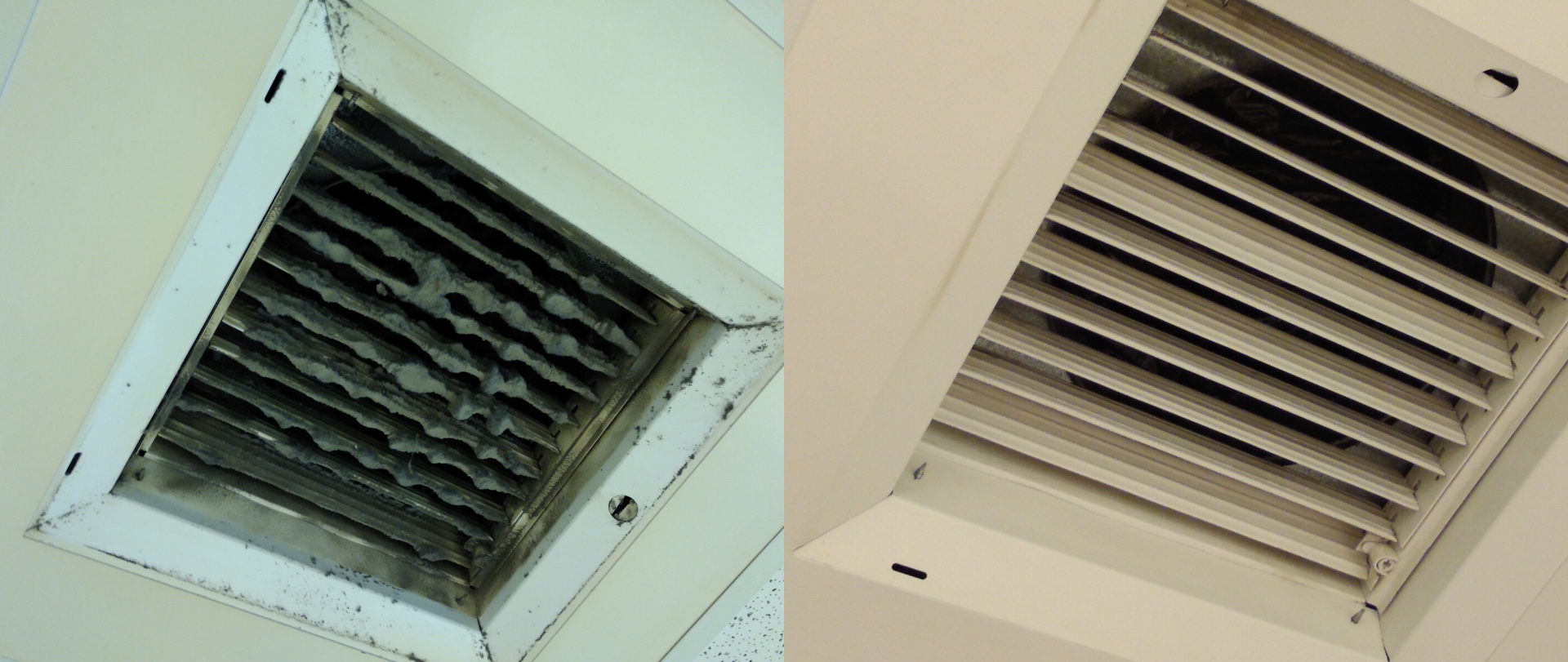
How to Change the Hvac Furnace Filter
The first thing to do is to remove the existing filter from your furnace. Make a note of the filter size. It will be something like "14x25x1."
A good replacement filter can be purchased at any big-box store or home improvement shop for as low as $5 to $20. You may also find filters at your local grocery store in smaller sizes. But the prices will often be higher at the grocery store than at other places.
According to the U.S. Environmental Protection Agency, MERV ratings can be rated on a scale of 1-16 for residential use. The higher the MERV rating, the more particles the filter will trap.
After you have your filter installed, it's time to remove the old filter and install the new one. We've got a DIY video here to guide you through the process.
Step-by-Step Duct Cleaning
- Remove the screws from air duct covers and return-air grill plates.
- Cover up your supply vents (those vents that supply heat or air to the rooms) with paper towels. To prevent dust and dirt blowing into other parts, cover the unclean vents. Simply lift the supply vents and place a paper towel between the vent cover and the wall or floor. The vent should hold in place without having to put all the screws back in since you'll be returning to remove the paper towels and cleaning each air vent.
- Set your thermostat to the "fan on" position. The fan will help move the dust that you loosen while cleaning. make sure the heat and cool mode is off. If you have an older thermostat that doesn't have a "fan-only" setting, run the heat.
- Loosen dust in ducts. Knock loose any buildup of dust in the ductwork. Light tapping can loosen any dust stuck to the ducts. Simply take the handle of your brush and begin tapping on any accessible ductwork you have in the basement. You can then remove any dampened dust from the inside of your duct.
- Make sure you clean your supply lists. You can now clean your supply register. Lift the register by holding the vacuum on and the end the hose. The fan will push out any dust so the hose should catch it. Next, use the hose to clean as much of the register's pipe as possible. To remove any dust that has accumulated in the register, use your brush. Use a microfiber cloth to reach into the register as deep as possible and clean the inside. You'll want to rinse the cloth repeatedly because chances are, you'll find a lot of dust and gunk up there the first time you do this. You can also remove the paper towels that you have placed as you sweep the house.
- Clean the return registers. Sweep out your return air registers. Brush and sweep the cavity of your registers as deep as you can.
- Shut off fan and furnace. Shut the fan off at the thermostat and the power off to the furnace via the service switch or breaker panel. You should not turn the furnace off by simply turning off the thermostat.
- Clean out blower compartment and return air boot. With the power off, you can remove the panels on the front of the furnace and access the blower compartment and the return air boot. Use your vacuum to sweep up the dust built up in the blower compartment and return air boot. Here is where you will find the majority of your dust. You should also clean the fan of your furnace.
- Replace the furnace filter. You won't get the complete benefit of clean ducts if you have HVAC filters clogged with the dust and contaminants they are designed to catch. A better filter can reduce dust buildup in your home, but you need to change it more frequently. The blower motor will run hotter and last less time if the filter is dirty. Homeowners who are aware of how to decrease dust buildup in their home should change or clean furnace filters once per month.
This is important information regarding air filters and second-hand smoking. It can also impact your health.
Your ducts work in the same way as your lungs. It's common knowledge that breathing in second-hand smoke is harmful to your body. Well, consider that your lungs never properly lose all of the impurities that gather in them when you smoke, and remember that the filters in your air ducts work in much the same way. Without knowing it, you could be inhaling second-hand tobacco smoke for weeks after the actual offending cigarette has been snuffed out because the residual smoke that's caught in your air ducts remains there for a long, long time.

Summary
The science of air duct cleaning remains in the early stages. Therefore, it is difficult to give a general recommendation about whether or not you should clean your air ducts. This document, which contains important information about air duct cleaning from the U.S. Environmental Protection Agency (EPA), is strongly recommended.
It has not been proven that duct cleaning can prevent any health issues. Neither do studies conclusively demonstrate that particle (e.g., dust) levels in homes increase because of dirty air ducts. This is because much of the dirt in air ducts adheres to duct surfaces and does not necessarily enter the living space. Remember that dust from dirty air ducts is only one source of the particles found in your home. Indoor and outdoor pollutants can enter homes from both indoors as well as outdoors. There is also no evidence to suggest that even a small amount of dust in your air ducts could pose a risk to you health.
You should consider having the air ducts in your home cleaned if:
- Many sections of your heating and cooling system may not be accessible for a visible inspection, so ask the service provider to show you any mold they say exists.
- It is important to remember that even though a substance might look similar, it can only be determined if the material is moldy by an expert. This may mean that laboratory testing may be required. For about $50, some microbiology laboratories can tell you whether a sample sent to them on a clear strip of sticky household tape is mold or simply a substance that resembles it.
- If you have insulated air ducts and the insulation gets wet or moldy it cannot be effectively cleaned and should be removed and replaced.
- Mold growth can recur if the original conditions that caused it do not get corrected.
If you see any of these conditions, there may be underlying reasons. The cause must first be addressed before any retrofitting or cleaning of the ducts. Otherwise, it is likely that the problem will recur.
Some research suggests that cleaning heating and cooling system components (e.g., cooling coils, fans and heat exchangers) may improve the efficiency of your system, resulting in a longer operating life, as well as some energy and maintenance cost savings. However, little evidence exists that cleaning only the ducts will improve the efficiency of the system.
It may be worth considering having your air-ducts cleaned. This is because air ducts can get dirty and need to be cleaned frequently. If the cleaning process is performed properly, there are no indications that it would cause any harm. The EPA recommends that air ducts not be cleaned regularly, but they should only be cleaned as necessary. However, EPA recommends that any fuel-burning furnace, stove, or fireplace be inspected and maintained before every heating season in order to prevent carbon monoxide poisoning.
You should take all the precautions that you would for a service provider to clean your air ducts.
Air duct cleaning service providers may tell you that they need to apply chemical biocide to the inside of your ducts as a means to kill bacteria (germs) and fungi (mold) and prevent future biological growth. They may also propose the application of a "sealant" to prevent dust and dirt particles from being released into the air or to seal air leaks. It is important to fully comprehend the benefits and drawbacks of allowing chemical biocides and sealants. While the targeted use of chemical biocides and sealants may be appropriate under specific circumstances, research has not demonstrated their effectiveness in duct cleaning or their potential adverse health effects. Currently, no chemical biocides have been registered by the EPA to be used in internal-insulated air duct systems. (See Should chemical biocides ever be applied inside air ducts?) ).
You can prevent water and dirt entering your system, regardless of whether you have them cleaned.
It Won'T Save Energy, Either
Although not always part of their basic cleaning services, many duct-cleaning companies often also clean the heating and cooling equipment (heat exchangers, cooling coils, condensate drain pans, fan motors, fan blades and fan housings).
A third claim that most duct-cleaning companies and trade associations make is that dirty equipment and ducts overburden cooling and heating equipment. This wastes energy. Again, it intuitively makes sense that a cleaner system will run smoother and last longer -- after all, that's why we and HVAC-equipment manufacturers and repair services recommend that you regularly change your filters. The page entitled "Benefits of HVAC Cleaning", on the National Air Duct Cleaners Association's (NADCA), website states that 25-40% of energy needed for cooling and heating a house is lost according to the U.S. Department of Energy.
That's misleading.
While a lot of energy is wasted when cooling and heating equipment runs, it is mainly due to inefficient equipment and lousy insulation. Leaks around windows and doors, as well as unsealed conduitwork, are all contributing factors. Although there are some benefits to maintaining and cleaning HVAC equipment, they have very little impact on energy consumption.
Researchers at CMHC found that duct cleaners could also clean the fan blades. This resulted in a slight reduction of airborne particles. The blower fan can be cleaned to improve the system's efficiency.
This is true of the cooling coils in your home's cooling systems. Evaporator coils cause condensation, dehumidifying the air before it circulates through your home. Dust and other particles can stick to the coils from condensation. Also, cleaning the collector pan (and the drain spout in the pan) beneath the coils ensures dirt doesn't build up and get drawn into the system. This prevents moisture from building up on the coils and underneath them, which could lead to mold issues.
Also consider having your duct system inspected for leaks, because leaky ducts lower efficiency and introduce air-quality problems.
But we don't recommend hiring a duct cleaner to perform these tasks; too many don't really know what they're doing, according to the ratings of duct-cleaning outfits we have collected from local consumers. Hire a top-quality heating and cooling contractor for this kind of work. Or pay them during their next service call. Readers can access Checkbook's HVAC company ratings through Feb. 28 at Checkbook.org/washingtonpost/ducts.

Make Sure Your Hvac System Also Gets Cleaned
Baker states, "Quality duct cleaning doesn't complete without having your HVAC system cleaned simultaneously."
But here's the thing: Duct cleaners aren't legally allowed to touch your HVAC unless they have a valid HVAC license.
The company must provide you with the license number upon request. It's not good to ask for the license number.
We're talking about HVACs and dust. Most HVAC maintenance plans also include routine furnace filter changes. The filter should be changed between each visit, which is usually once every three months. This will ensure that your HVAC system runs at its peak efficiency while reducing dust.
Why Do It Yourself?
Many homeowners don't have any training in how to maintain their home. As such they are often forced to learn the difficult way.
You probably don't own a high-powered, truck-mounted vacuum system with 150-foot hoses. But we're going to tell you how you can clean the air ducts yourself. No, you won't get as deeply into your duct system as a commercial company will. That's fine. Most of the debris in your ducts gathers toward the registers anyway and you can reach those spots on your own.
Is There An Indoor Air Quality Issue In Your Home?
These questions will help you determine whether your indoor air quality is an issue in your house.
- Are you a pet owner?
Step 4: Clear the rest of your system
NADCA recommends cleaning the other components of the HVAC system as well, including the air handler's blower motor, evaporator coil, and drain pan.
Final Thoughts
Air duct cleaning should not be considered an additional service to carpet cleaning. It can cost a lot to do it right but most people don't need an air duct cleaning every year.
So it's wise to budget for the real cost of a legitimate cleaning every seven to 10 years. You might want to clean more often if you have breathing difficulties.
Meanwhile, make sure you're hiring legitimate companies by checking with industry trade groups like the National Air Duct Cleaners Association.
Step 1: Examine the Ducts
(A duct cleaning contractor will likely have cameras that can probe even farther into the ducts and show the full extent of the buildup prior to cleaning.)
A professional duct cleaning allows the technician to inspect the ductwork and look for any leakage or kinks. Many duct cleaning contractors can also make repairs and replace damaged ductwork.

A Better Way To Get Cleaner Indoor Air
We have some better options if you're considering cleaning your air-ducts to get cleaner air.
We Do It Right! :
Are you experiencing indoor air quality issues in your home?
The following questions are designed to determine if you have issues in your home with indoor air pollution:
- Are you a pet owner?
If you answered yes to the questions above, it's time to schedule an air duct cleaning!
Pet Dander
People with allergies can be affected by the allergens in dogs and cats that are kept indoors. These people can suffer from asthma, allergic rhinitis, and allergic conjunctivitis. Dander can persist in the environment long after the pet no longer lives in the home.

Clean Air Duct
As with all other parts of your home, dust and debris build up in your HVAC system's air ducts. The process of cleaning your HVAC system's air ducts is more difficult than simply dusting furniture. To ensure your home is safe and healthy, hire an HVAC professional. Advanced Environmental has been accredited by the BBB.